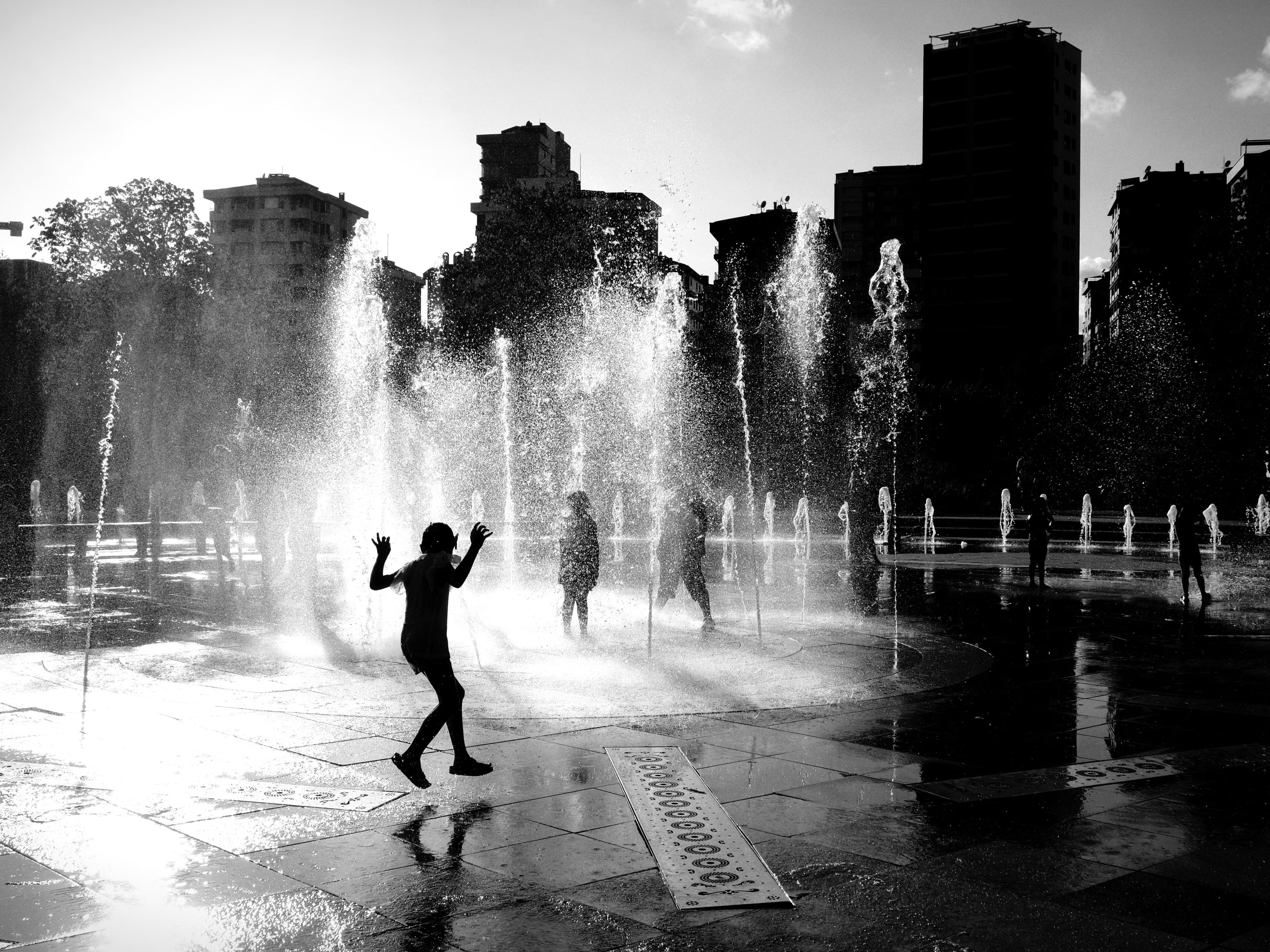
Are Splash Pads Safe? Everything Parents Should Know
Short answer: yes, for the vast majority of splash pads, most of the time. There's no standing water for kids to drown in, which is a real structural advantage over pools. The one thing genuinely worth paying attention to is water quality, and even that comes down to how well a specific pad is maintained, not splash pads as a category.
Are splash pads actually safer than pools?
On the specific risk parents usually mean by "safe" (drowning), splash pads have a genuine design advantage. The water sprays and drains. It doesn't collect deep enough for a small kid to go under. That's not marketing, it's how they're built.
That doesn't mean you can zone out. Kids slip on wet concrete. Toddlers wander toward parking lots. Older kids sprint through jets without watching where they're going. So supervision still matters, just for different reasons than at a pool. It's the difference between "eyes on the water at all times" and "eyes on your kid because kids are kids."
What about the water quality risk I keep hearing about?
This is the one parents actually ask about, and it's a fair question. The CDC has documented three child deaths between 2020 and 2023, in Texas and Arkansas, from a rare brain infection called Naegleria fowleri. In every one of those cases, investigators traced it back to a specific breakdown in how that facility was treating its water. Not a hidden risk baked into splash pads. A maintenance failure at a specific pad.
The category also matters. Some splash pads recirculate and treat their water like a pool. Others run single-pass municipal water and drain it away after one use. Which one you're standing at depends on the city, when the pad was built, and how it's regulated locally. Regulation isn't uniform across the country, which is a slightly unsatisfying answer, but it's the real picture.
We keep the full breakdown of water quality on the safety guidelines page, including the CDC context, what disinfection actually does, and what to look for at a specific pad.
What actually matters when you're at a splash pad with kids?
The basics, and they're mostly the ones you'd guess:
- Watch your kid. Not a phone-in-lap watch. An actual watch.
- Sunscreen every couple of hours. Water washes it off faster than you think.
- Water bottles you brought from home. Not the pad water.
- Swim diapers on kids who aren't potty trained.
- No running (impossible advice, but try).
The full safety guidelines page has the complete rundown: what to pack, age-specific tips, red flags for water quality, and an FAQ. If you want the whole reference in one place, that's it.
When would you actually skip a splash pad?
There are real signals. A sharp chlorine smell, or no smell at all, can both mean something's off. Too much treatment or not enough. Visibly cloudy or dirty water is a leave-now sign. Broken jets, mildew, standing puddles that don't drain, or a general sense that nobody's minding the place, those are your cue that maintenance isn't happening.
If it's clean, the water runs clear, other families look relaxed, and nothing smells weird, you're almost certainly fine.
FAQ
Do splash pads have lifeguards?
Most don't. Because splash pads don't have standing water, they usually aren't required to staff lifeguards the way pools are. A large municipal facility or a splash pad inside a water park might have an attendant on duty, but the standalone neighborhood splash pad in a city park almost certainly won't. That's another reason your own supervision matters.
Is splash pad water safe to drink?
No, and this is the one rule to actually enforce. Even at a well-maintained pad, the water coming out of the jets isn't drinking water. Some of it will end up on kids' hands and in their mouths no matter what you do, so a small amount is unavoidable, but drinking straight from the jets is a bad habit. Bring water bottles for actual thirst.
Are splash pads safe for babies and toddlers?
For most healthy babies and toddlers, yes. Swim diapers are required at most pads and genuinely help, so use them. Babies get cold faster than older kids, so watch for shivering or blue lips and take breaks in the sun. Toddlers move fast on slippery concrete, so stay within arm's reach. The younger the kid, the closer you stay.
Do splash pads use chlorine?
Some do, some don't. Splash pads that recirculate their water usually chlorinate like a pool. Splash pads that run single-pass municipal water use whatever treatment the local supply already gets. There's no universal rule. A faint chlorine smell at a recirculating pad is normal and doesn't mean anything is wrong.
Should we skip splash pads because of the CDC deaths?
We don't think so. The CDC's own guidance ties the risk to improperly disinfected pads, not splash pads as a category, and every documented case was a specific facility maintenance failure. Awareness is fair. Skipping every splash pad is an overreaction. If you're worried, favor well-maintained pads in well-run parks systems, and walk away from any that look neglected.
Find a splash pad near you
Browse all splash padsYou might also enjoy
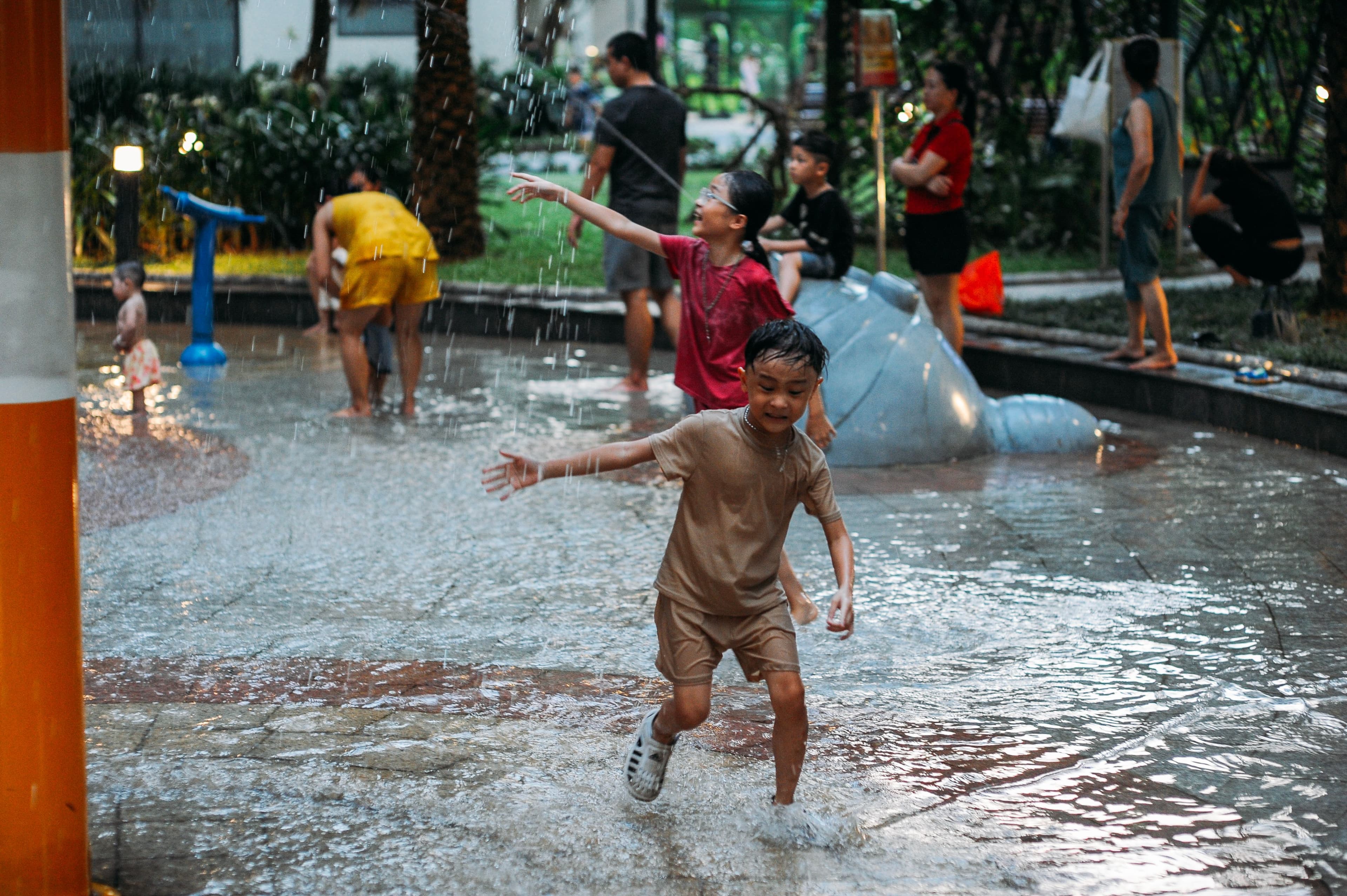
When Do Splash Pads Open? A Region-by-Region Guide
Splash pad season isn't the same everywhere. Here's how climate and location affect when parks open and close, plus how to check a specific one near you.
August 8, 2026
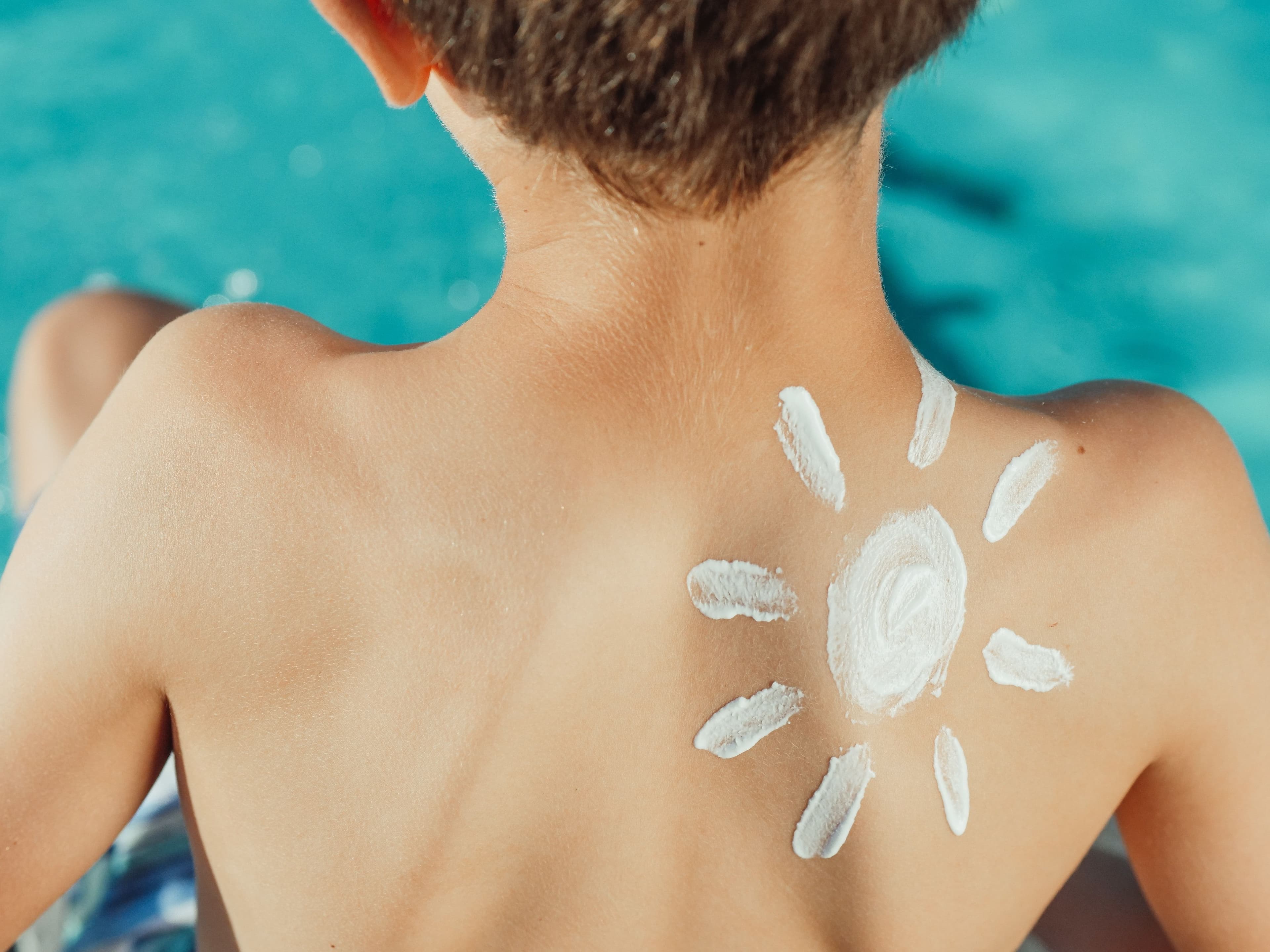
What to Wear at a Splash Pad: Babies, Toddlers, and Kids
Splash pad clothing isn't one-size-fits-all. What works for a six-month-old is different from what a five-year-old needs. Here's what to put them in by age.
August 4, 2026
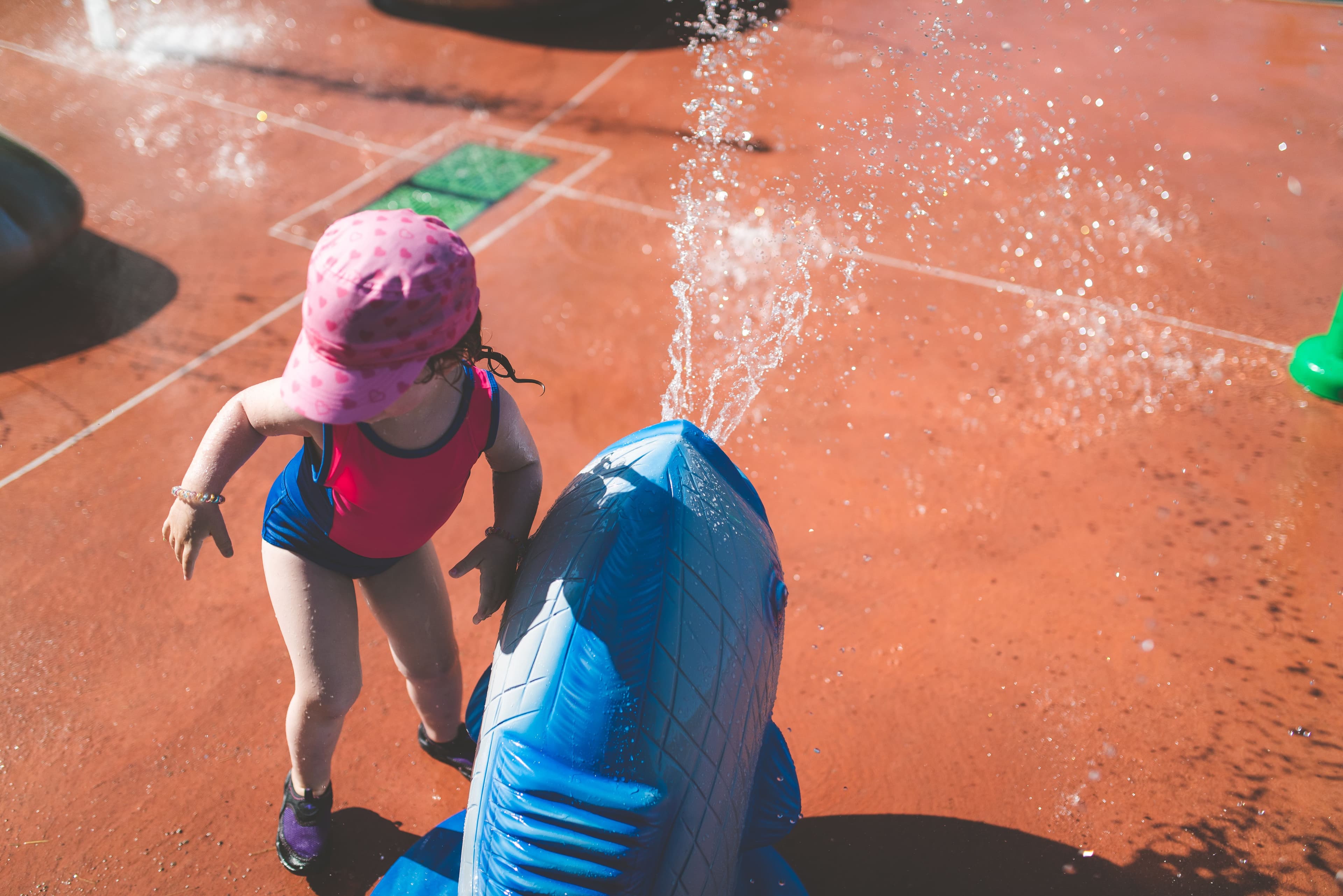
What to Bring to a Splash Pad: The Ultimate Packing List
Splash pads have their own quirks (hot pavement, no lifeguards, everyone soaked in minutes). Here's exactly what to pack so your next trip goes smoothly.
July 31, 2026