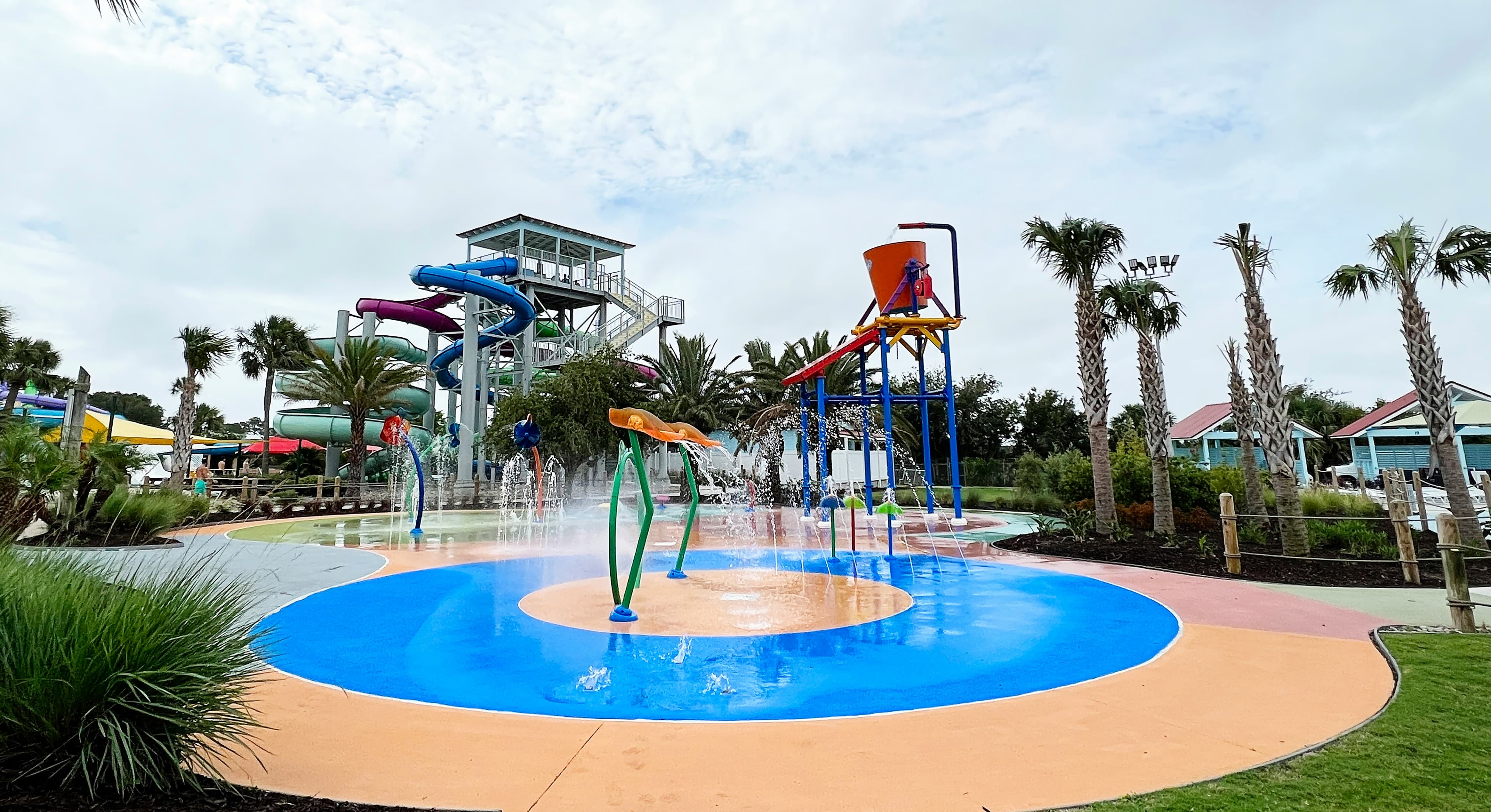
Essential Splash Pad Safety Tips for Families
Splash pads are amazing places for family fun, but safety should always come first. This guide covers everything you need to know to keep your family safe while enjoying splash pads and spray parks.
Constant Supervision
Always keep children within arm's reach
Sun Protection
Apply SPF 30+ sunscreen every 2 hours
Water Safety
No running on wet surfaces
Keep Your Family Safe at Splash Pads
Splash pads are a wonderful way for families to cool off, but like any water activity, they come with real safety considerations. Follow these guidelines to make sure your visit stays fun and safe.
Before You Go
Check the Weather and Conditions
- Avoid thunderstorms: Never use a splash pad during lightning or severe weather.
- Check water temperature: Some splash pads run cold, especially early in the season — make sure it's comfortable for young children.
- Verify operating hours: Confirm the splash pad is currently open. Many run seasonally, and a quick check of the listing page saves a wasted trip.
Pack the Essentials
- Sun protection: Sunscreen (SPF 30+), hats, and UV-protective clothing.
- Non-slip footwear: Water shoes or sandals with good grip — wet concrete gets slippery fast.
- Towels: Quick-dry towels for each family member.
- First aid kit: Basic supplies for minor cuts or scrapes.
- Hydration: Plenty of water — splash pad play is more tiring than it looks.
At the Splash Pad
Supervision Is Key
- Constant supervision: Always keep children within arm's reach. Splash pads don't have lifeguards.
- Age-appropriate areas: Use the features designed for your child's age group.
- Buddy system: Teach older kids to stay paired up with a sibling or friend.
Water Safety Rules
- No running: Wet surfaces around splash pads are extremely slippery.
- Enter slowly: Let kids test the water temperature and jet pressure before diving in.
- Watch for others: Stay aware of other children and families sharing the space.
- Stay hydrated: Take regular water breaks, especially on hot days.
Sun Safety
- Reapply sunscreen: Every two hours, or immediately after getting wet.
- Seek shade: Take breaks in shaded areas when available — many splash pads have little to no shade directly over the play area.
- Wear protective clothing: Long-sleeve rash guards and wide-brimmed hats help.
- Avoid peak hours: Early morning or late afternoon visits mean less sun and smaller crowds.
Health and Hygiene
Before Entering
- Shower first: Rinse off before using the splash pad, if facilities are available.
- Check for illness: Skip the visit if anyone has diarrhea, an open wound, or is feeling unwell — it protects every other family there too.
- Remove jewelry: Necklaces and bracelets can catch on equipment.
During Your Visit
- Don't drink the water: Splash pad water isn't intended for drinking.
- Avoid swallowing water: Teach kids to keep their mouths closed during play.
- Take real bathroom breaks: Use restroom facilities, not the splash pad itself.
After Your Visit
- Shower thoroughly: Rinse off any chlorine or residue.
- Dry ears completely: Helps prevent swimmer's ear.
- Change into dry clothes: Especially important before a car ride home.
Water Quality and Disinfection
Splash pads are generally lower-risk for drowning than pools since water doesn't pool up, but that doesn't mean the water itself is always clean. Not every splash pad is required to disinfect its water the same way a pool is, and how well a facility is maintained really matters.
- Recirculated water needs treatment. Some splash pads filter and disinfect their water (chlorine or bromine) like a pool would. Others use "single-pass" water that sprays once and drains away — a different system, but one that still depends on a clean source.
- Regulation varies by location. Splash pads aren't always covered by the same health codes as pools, so oversight and water testing frequency can differ a lot from city to city.
- A real, documented risk. Between 2020 and 2023, the CDC linked three child deaths to a rare brain infection traced back to improperly disinfected splash pads in Texas and Arkansas. In each case, investigators found a specific breakdown in how that facility's water was being treated. This isn't a reason to avoid splash pads — the CDC has found no evidence of this happening at properly disinfected, well-maintained ones.
- What you can actually do. Teach kids not to swallow the water or put their faces directly in front of jets. If a splash pad looks or smells off, trust that instinct (see "Red Flags," above) and come back another day.
Special Considerations
For Toddlers and Young Children
- Extra supervision: Children under 5 need constant, close supervision.
- Appropriate features: Look for gentler water features made for small children.
- Swim diapers: Required at most splash pads for non-potty-trained kids.
- Temperature awareness: Young children feel cold water more intensely than adults do.
For Children with Special Needs
- Check accessibility ahead of time: Many listings on this site note accessibility features like ADA-accessible restrooms or paved, wheelchair-friendly surfaces — worth a look before you go.
- Plan for sensory needs: Splash pads can be loud and crowded; know your child's triggers.
- Bring comfort items: A familiar toy or object can help with transitions.
During Busy Times
- Arrive early: Less crowded means more room and easier supervision.
- Stay extra alert: More kids in the water means more to watch.
- Teach sharing: Help kids take turns on popular features.
Emergency Preparedness
Know the Location Of
- Emergency exits
- First aid stations
- Emergency contacts / staff, if any
- The nearest hospital
What to Do in an Emergency
- Stay calm: A clear head helps everyone around you.
- Call for help: Contact emergency services immediately if needed.
- Provide first aid: Only if you're trained and it's safe to do so.
- Clear the area: Help others move to safety if necessary.
Red Flags: When to Leave
Water Quality Issues
- Cloudy or discolored water (possible contamination)
- Strong chemical smell (improper chemical balance)
- Visible debris — leaves, trash, or other foreign objects
- Algae growth (green or slimy surfaces)
Equipment Problems
- Broken features — sharp edges, loose parts, malfunctioning jets
- Excessively slick surfaces with no drainage
- Poor lighting in the evening
Overcrowding
- Too many people for effective supervision
- Aggressive or unsafe behavior from other visitors
- No staff present when the facility normally requires it
Teaching Water Safety to Children
Age-Appropriate Lessons
- Toddlers (1-3): Simple rules — "no running," "stay with mommy or daddy."
- Preschoolers (3-5): Understanding water depth, taking turns, asking for help.
- School age (6-12): More complex safety rules, and helping look out for younger kids.
Practice at Home
- Role-play scenarios: Walk through "what would you do if..." situations.
- Review the rules regularly: A quick refresher before each visit helps it stick.
- Positive reinforcement: Praise good safety behavior in the moment.
Frequently Asked Questions
Is splash pad water safe?
Generally yes, especially at well-maintained facilities that treat their water properly. But splash pads aren't regulated as consistently as pools, so quality can vary by location — watch for the warning signs above and don't hesitate to leave if something looks off.
Can kids drown at a splash pad?
Splash pads are designed without standing water specifically to reduce that risk, which does make them meaningfully safer than pools in that respect. But lower risk isn't no risk — young kids can still be startled by jets, and splash pads don't have lifeguards, so active supervision still matters.
Is a splash pad safer than a pool?
For drowning risk specifically, yes. But pools are more consistently regulated for water treatment, so it's not a clean win across the board. Both call for the same basics: supervision, sun protection, and common sense.
Do kids need swim diapers at a splash pad?
Most splash pads require them for kids who aren't potty-trained. They won't catch everything, but they meaningfully cut down on contamination — which matters more here than at a pool, since the water is often reused or recirculated.
What are the most common splash pad injuries?
Slips and falls, by far — wet concrete gets slippery fast. Grippy water shoes and reminding kids not to run go a long way.
Conclusion
Splash pads offer some of the best low-stakes summer fun a family can find. Following these guidelines helps keep the day both enjoyable and safe. The short version: preparation, supervision, and common sense go a long way.
Trust your instincts — if something feels off, it's fine to leave and try another spot. With a little planning, splash pads can mean countless hours of safe, refreshing fun.
Ready to find your next one? Browse the Directory